Owning a boat comes with real rewards. Weekends on the water, family fishing trips, and slow days at the lake are the reason people buy one in the first place.
Storage is the part nobody thinks about until it becomes a problem. Whether you own a fishing boat, pontoon, bass boat, ski boat, or personal watercraft, where you park it between trips affects how long it lasts and how much you actually use it.
Driveways, garages, and side yards run out of room fast. Right Move Storage offers boat and RV parking at more than 20 facilities across Texas, Louisiana, Colorado, California, and New York. You can find a location near you and check what parking options are available at that property.
Why Proper Boat Storage Matters
A boat is a serious investment. Even a modest fishing boat represents thousands of dollars once you add the motor, trailer, and gear. Larger vessels climb well past that.
Good storage cuts down exposure to sun, rain, hail, and debris. UV damage in particular does slow, expensive work on gelcoat, upholstery, and canvas.
Storage also gives your trailer, life jackets, and gear one dedicated home instead of scattering them across a garage.
The Three Types of Boat Storage
Not every owner needs the same thing. The right choice depends on your boat's size, how often you use it, and how much weather protection you want.
Outdoor Boat Storage
Outdoor parking is the most common and most affordable option. Your boat sits in a designated space inside a fenced, gated facility.
This works well if you are on the water most weekends and want to hook up and go. It also handles a wide range of boat sizes.
Outdoor parking is available at most of our boat-friendly locations, including Alvin, Carthage, Fort Worth, Longview, and Wylie.
Covered Boat Storage
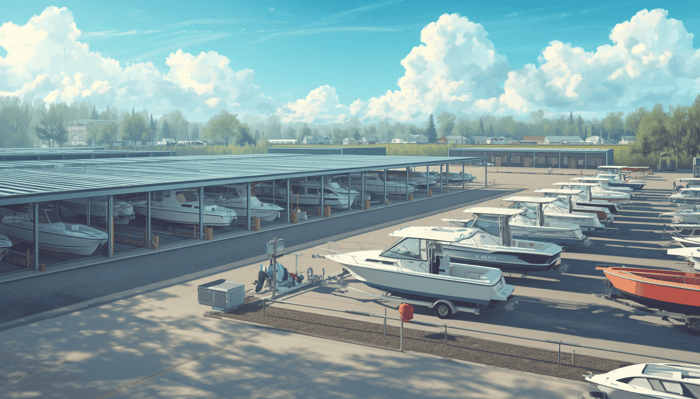
Covered parking puts a roof over your boat. It blocks direct sun and most precipitation while costing less than a fully enclosed space.
For many owners, this is the sweet spot. You get meaningful UV and hail protection without paying for four walls.
Covered spaces are available at Angleton, Channelview, Hallsville, and Rifle, Colorado, among others.
Enclosed Boat Storage
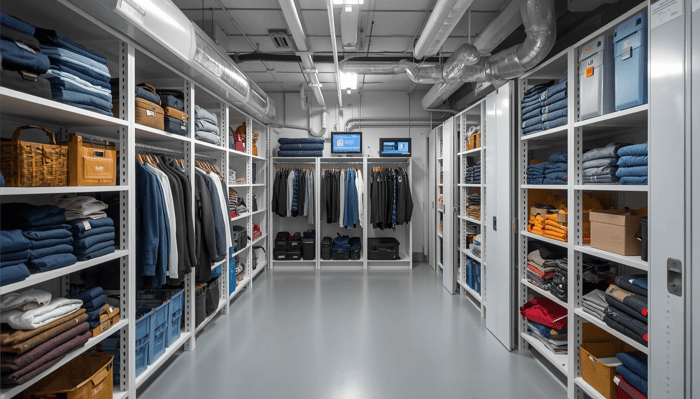
Enclosed storage means a fully closed space. This is the option to look at if you own a high-value boat, a specialty vessel, or something that will sit through an entire off-season.
Enclosed parking is available at Conroe, Richmond, Rosharon, and several Houston-area properties. Our Port Arthur Memorial Boulevard facility offers dedicated indoor storage for boats and RVs.
Availability varies by property and fills up ahead of peak season. Check before you assume a spot is open.
Where Right Move Storage Offers Boat Parking
Our boat storage footprint follows the water.
Lake Conroe. Lakeview Marina on Beach Walk Boulevard is our dedicated boat-and-RV property, with both enclosed and uncovered parking, minutes from the lake. Our second Conroe location on TX 242 offers covered, enclosed parking on the east side of town.
Greater Houston. Boat and RV parking is available on Cockrum Boulevard, Perry Road, and Veterans Memorial Drive, with covered and enclosed options at the first two. Channelview on Dell Dale Street serves owners running the San Jacinto River and Galveston Bay.
The Gulf Coast and Brazoria County. Angleton, Alvin, Rosharon, and Lake Jackson all offer boat parking within easy reach of the coast and the Brazos.
The Golden Triangle. Port Arthur covers Sabine Lake and Gulf access, with indoor, covered, and outdoor options. Lumberton adds outdoor parking north of Beaumont.
East Texas. Longview, Hallsville, and Carthage serve the region's lake communities, with covered and enclosed spaces available in Hallsville.
North Texas. Fort Worth, Wylie, and Ennis handle boat and RV parking for the DFW metro.
Outside Texas. Ball, Louisiana, Chino, California, Rifle, Colorado, and Bridgehampton, New York all offer boat parking.
How to Prepare a Boat for Storage
Prep matters most when the boat will sit for weeks or months.
Start by washing it thoroughly. Dirt, salt, and trapped moisture cause staining and mildew that get harder to reverse the longer they sit.
Pull out food, trash, and personal items. Anything edible invites pests.
Check your cover, trailer, battery, and safety equipment before you park it. Finding a dead battery in March is a lot better than finding one on launch day.
Do Not Forget the Trailer
Owners focus on the boat and forget the thing carrying it.
Inspect tires regularly and check pressure. Verify that lights, wiring, and wheel bearings still work. Long stretches of sitting still create problems that stay hidden until the trip you actually care about.
Keep the trailer clean too. Road salt and grime do quiet damage over a season.
Security Features Worth Looking For
Security is the main reason owners move a boat off their property in the first place.
When you compare facilities, look for:
- Gated access
- Perimeter fencing
- Security cameras
- Well-lit grounds
- Controlled entry systems
- On-site management
Our facilities are fully fenced with code-gate entry, and many use Storage Defender's smart technology for real-time monitoring.
Seasonal Considerations
Storage needs shift through the year.
Some owners are on the water every weekend in season and only need a place to park during the week. Others store for four or five months straight.
Longer storage calls for more prep. Battery maintenance, fuel stabilization, and a deeper cleaning all pay off when you pull the boat out in spring.
Write a short checklist before you store. It takes ten minutes and saves you from the one thing you forget.
Why Owners Choose Dedicated Boat Storage
Keeping a boat at home sounds convenient until you try it.
HOAs restrict boat parking in many neighborhoods. Driveways get crowded. Bigger boats simply do not fit on a residential lot without blocking something.
A dedicated space solves all three and gives you your driveway back.
Boat Storage and Insurance
Review your policy before you pick a facility.
Some policies specify where the boat is stored, what security measures are in place, or how it is handled during the off-season. Knowing that upfront beats finding out during a claim.
Most insurers want to see that you took reasonable steps to protect the vessel.
Choosing the Right Location
Convenience decides how much you actually use your boat.
A facility near your home, marina, or usual launch makes spontaneous trips possible. One that adds forty minutes each direction turns every outing into a project.
Think about your normal routine, then pick accordingly.
Questions to Ask Before You Rent
- What boat sizes can the facility accommodate?
- What are the access hours?
- What security features are in place?
- Are covered or enclosed spaces available?
- Is there room for the trailer?
- Is the agreement month-to-month?
Ask these up front, and you will avoid common surprises.
Final Thoughts
Boat storage is not just about finding somewhere to park. The right setup protects your investment, clears your driveway, and makes ownership easier.
Whether it's a fishing boat, pontoon, ski boat, or personal watercraft, planning ahead keeps your vessel ready for the next trip.
Find a Right Move Storage location near you and check boat and RV parking availability at your closest facility.